
Beyond Tourism: The 2026 Insider's Guide To China's "Medical S2" Visa
In the past, the main motivation for British travellers applying for a China visa was usually the Forbidden City, the Shanghai skyline, or the pandas in Chengdu. However, as we move into 2025/2026, a remarkable trend is emerging: more and more citizens from the UK and Europe are discovering China as a high-end destination for medical treatments with an excellent price-performance ratio.
This isn't just a short-lived hype; it is a rational decision driven by massive cost advantages combined with world-class medical technology. For applicants, this means an often-overlooked visa category is suddenly becoming the most critical option: The China S2 Visa (Private Affairs) – the new "insider tip" for health travellers looking to skip NHS waiting lists or avoid exorbitant private care costs.
Market Analysis – Why British Patients Are Travelling To China ("Medical Travel")
The Chinese healthcare system currently offers a combination of efficiency and technology that is lesser-known in the West. This is particularly evident in two extremes: cutting-edge biotechnology and traditional healing arts.
1. Advanced Medicine At A Fraction Of The Cost: The CAR-T Example
For many families facing extreme treatment costs or rigid eligibility criteria, China is becoming a beacon of hope. A prime example is CAR-T cell therapy, a revolutionary method for treating blood cancer.
The Price Gap (UK Private Sector): In the UK, whilst the NHS funds CAR-T for eligible patients, availability can be limited. Going private in London (e.g., Harley Street clinics) for CAR-T therapy often costs between £300,000 and £400,000 when factoring in hospital stays and ancillary care.
The China Advantage: A qualitatively equivalent, and in some cases technologically more advanced treatment in China costs approximately £80,000 to £130,000.
The Facts: China leads the world in the number of clinical trials for CAR-T. For patients without comprehensive private medical insurance to cover UK private fees, medical treatment in China for foreigners offers not only financial relief but often a crucial race against time.
2. Traditional Chinese Medicine (TCM) As Modern "Medical Wellness"
For Europeans suffering from chronic pain, rheumatism, or burnout, TCM in China has long been more than just a simple acupuncture session. It involves complex TCM health retreat China packages that combine medical rehabilitation with tourism. Thanks to visa-free entry policies for several European nations and streamlined visa processing for Brits, the market for 15-30 day "detox and rehabilitation journeys" is booming.

The Top 5 Hospitals In China For International Patients
If you or your family members are planning treatment, choosing the right clinic is crucial. Here are five institutions that enjoy high international recognition and minimise language barriers:
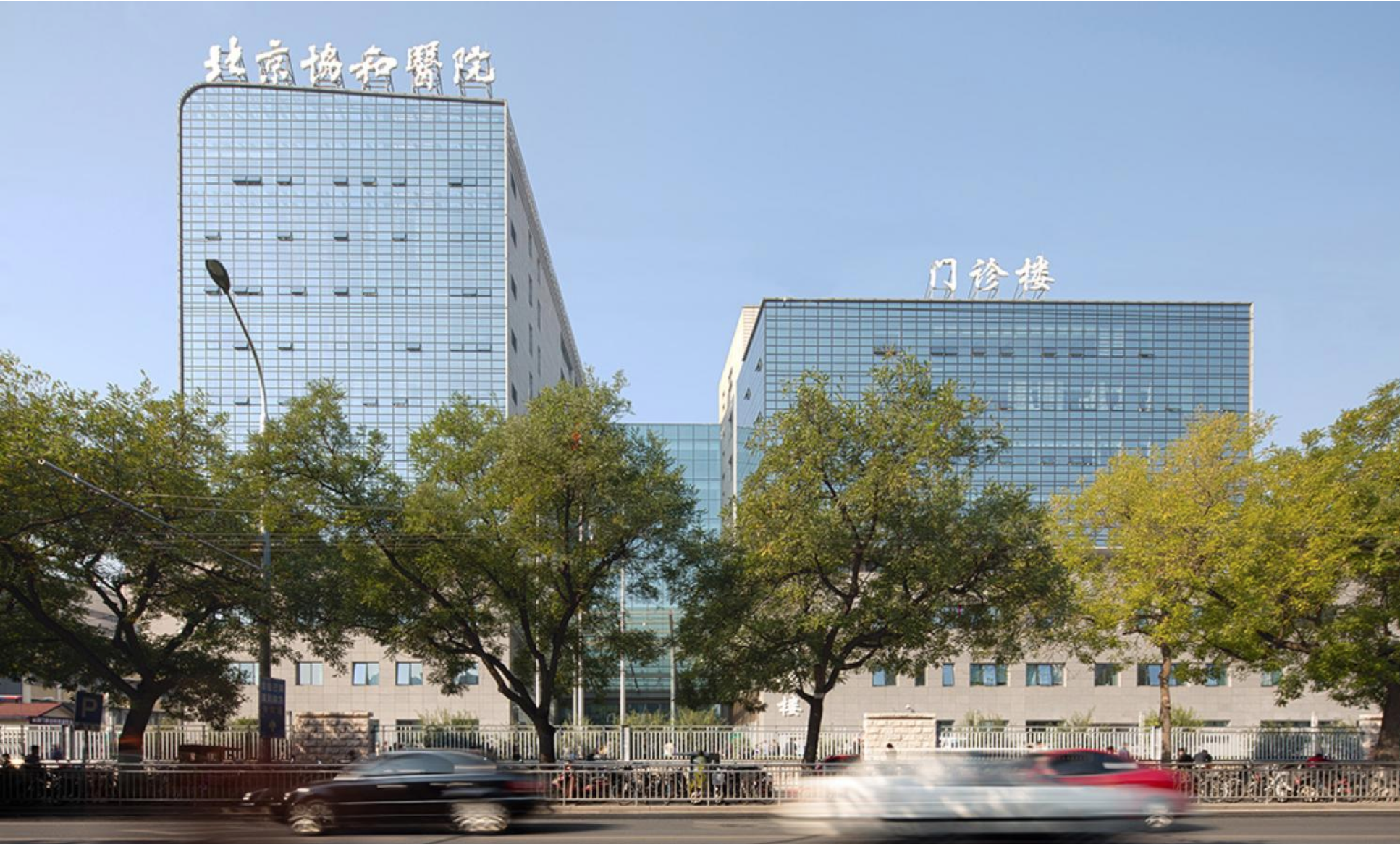
1. Peking Union Medical College Hospital (PUMCH)
Location: Beijing. Recommendation: The undisputed number one in Chinese hospital rankings. Target Audience: Patients with complex, hard-to-diagnose conditions ("Rare Diseases") who may feel they have exhausted options elsewhere. Service: The "International Medical Services" (IMS) department offers English-speaking service at the highest level and frequently attends to diplomats.
2. Ruijin Hospital
Location: Shanghai (and Hainan Branch). Recommendation: A global forerunner in haematology and CAR-T research. Target Audience: Patients with lymphoma or myeloma. Special Feature: The Hainan Boao branch allows the use of medications that may already be approved in the US but are still awaiting licensing in the UK/EU.
3. Clifford Hospital
Location: Guangzhou. Recommendation: The first hospital in China with JCI Accreditation (Joint Commission International). Target Audience: Patients seeking "Green Cancer Therapy" or authentic TCM cures. Ambience: The facility resembles a hotel more than a hospital, significantly reducing psychological stress.
4. Boao Super Hospital
Location: Hainan. Recommendation: Enjoying a state "special licence" for importing the latest international medications and devices. Target Audience: Patients requiring latest vaccines, cochlear implants, or intraocular lenses. Model: A "Shared Hospital" concept pooling top experts from across China.
5. Jiahui International Hospital
Location: Shanghai. Recommendation: Strategic cooperation with Massachusetts General Hospital (USA). Target Audience: Expats and medical tourists who value privacy and Direct Billing with international insurers like Bupa Global or AXA.
The S2 Visa – Your Entry Ticket For Treatment
A medical trip differs legally from a holiday. Many applicants make the mistake of applying for an L Visa (Tourism). However, for serious medical procedures, the China S2 Visa (Short-term Private Affairs) is the correct and safest choice.
Strategic Advantage: While an L visa allows entry, the S2 Visa offers a decisive advantage: Extendibility. Should the healing process take longer than planned, extending an S2 visa directly in China (with a medical certificate) is significantly more straightforward.
| Criteria | S2 Visa (Medical) | L Visa (Tourism) |
|---|---|---|
| Primary Purpose | Inpatient treatment, Surgery, Rehab | Sightseeing, Wellness (short) |
| Core Document | Hospital Invitation Letter | Flight tickets + Hotel booking |
| Duration | 30-90 Days (depending on plan) | Usually 30 Days |
| Extension in China | Feasible (with medical certificate) | Difficult (only in emergencies) |
| Accompanying Persons | Can apply for their own S2 | Must apply for their own Tourist Visa |
| Ideal For | Cancer treatment, OPs, Long-term TCM | Dental, Check-ups, Light cosmetics |
Frequently Asked Questions
Q1: I only want to visit a dentist or have a check-up. Do I strictly need an S2 visa?
Q2: How long can I stay with an S2 visa?
Q3: What happens if my treatment isn't finished but my visa is expiring?
Q4: Can my family accompany me for care?
Q5: Do Chinese hospitals accept my UK insurance?
Q6: Is it difficult to get an invitation letter from a hospital?
Q7: I don't speak Chinese. Will I manage in the hospital?
Q8: What is the difference between S1 and S2?
Q9: I want to visit friends (Chinese citizens) and get treatment on the side. Which visa?
Q10: What advantage do I have if I hire an agency?
Health Knows No Borders
Whether finding hope through CAR-T technology or recovery through traditional wisdom – China is opening its doors. Chinese Visa Express handles the bureaucracy, so you can focus on your health.